

DPO Radio
 LOGISTICS COMPLIANCE OVERLAY [ACTIVE]
Manage cargo, declarations, manifests, warehousing, electronic submissions, customer data, vendors, and international flows together.

Vietnam’s logistics and customs operating stack spans the Customs Law, logistics-service rules, customs procedure decrees, electronic customs circulars, and National Single Window procedures.
This optional transport-sector vertical is commercially relevant to logistics providers, freight forwarders, customs brokers, warehouse and fulfillment operators, exporters, importers, manufacturers, and cross-border e-commerce logistics.
Shipment operations combine goods and value data with consignor, consignee, address, tracking, warehouse, supplier, customer, and authority-facing records. Evidence needs to remain connected from source documents through submission, acknowledgement, inspection, release, and closure.
Customs artifacts vary by procedure and current system version. ComplianceOne provides evidence wrappers without reproducing an unverified declaration or portal template.
Vietnam Customs Law 2014 with Decree 08/2015 on Customs Procedures (as amended), Decree 163/2017 on Logistics Services, E-Customs Circular 38/2015, and Decree 85/2019 on the National Single Window.
Logistics, freight, customs brokerage, warehousing, fulfillment, importing, exporting, and cross-border e-commerce.
Parties, goods, HS codes, value, routes, carriers, warehouses, tracking, documents, and systems.
Declarations, manifests, authorization, source records, transmission, acknowledgement, amendments, and outcomes.
E-customs and National Single Window account, interface, message, attachment, status, and exception evidence.
Consignor, consignee, location, tracking, cloud, vendors, destinations, safeguards, and retention.
Optional; direct after logistics or trade-scope confirmation, or reference-only.
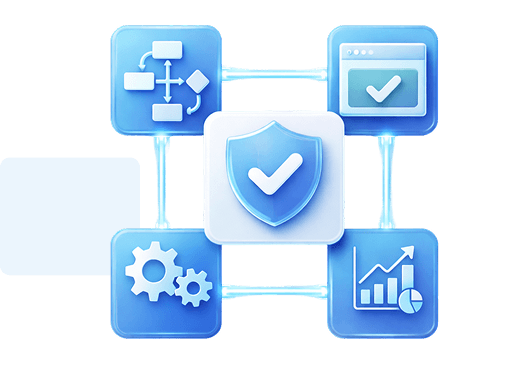
Teams can connect service roles, shipment data, source documents, declarations, manifests, warehouse events, electronic submissions, acknowledgements, inspections, holds, release, and corrective action.
Personal and commercial data maps link routes, destination operators, customs recipients, cloud systems, and vendors to privacy, data, security, e-commerce, and electronic-transaction evidence.
 Data Mapping
Maps shipments, parties, goods, routes, systems, vendors, and destinations.
Explore Data Mapping Vendor Governance
Supports carrier, warehouse, broker, cloud, and service-provider oversight.
Explore Vendor Governance Compliance Forms
Organizes declaration, manifest, submission, and inspection evidence.
Explore Compliance Forms Audit Trail
Preserves changes, acknowledgements, holds, release, and closure history.
Explore Audit Trail

 Shipment data is separated from customs documents.
 Connect shipments, documents, submissions, and outcomes.Manifest and declaration changes are difficult to reconcile.Reconcile declarations, manifests, amendments, and acknowledgements.Warehouse, carrier, broker, and cloud evidence remains fragmented.Track providers, facilities, interfaces, and accountable owners.Cross-border personal data lacks a connected review trail.Link logistics operations to privacy, data, e-commerce, and security evidence.
A shipment's commercial documents, customs declaration, and warehouse events stay on one connected record, so a hold, amendment, or release outcome can be traced back to the source paperwork that caused it.

ComplianceOne wraps evidence around customs and National Single Window activity (source document, transmission record, and authority acknowledgement), keeping a complete trail without depending on portal integrations that could change or break.

Cross-border shipment data (consignor and consignee identity, destination operators, and cloud vendors) links to the same privacy and vendor-governance evidence used elsewhere in the platform, so a logistics review does not start from a blank page.
See how ComplianceOne connects shipment, customs, warehouse, vendor, personal-data, and cross-border evidence.

Ronni K. Gothard Christiansen - Technical Privacy Engineer & CEO
Technical Compliance Expert, 32+ Years Open Source Advocate, X-BoD Open Source Matters Inc.
Direct use is intended for confirmed logistics providers, freight forwarders, customs brokers, warehouses, exporters, importers, and cross-border fulfillment operations.
No. It organizes source, submission, acknowledgement, amendment, inspection, and outcome evidence around the verified customs procedure and channel.
Yes. Consignor, consignee, address, location, contact, tracking, vendor, and destination data can link to applicable privacy and data-governance evidence.
Yes. Teams can preserve account, interface, message, attachment, status, exception, acknowledgement, and responsible-owner records.
This page covers broader logistics, trade, customs, cargo, and warehouse operations. The postal overlay adds parcel-level, last-mile, delivery-proof, return, and claims context.

Test shipment, customs, warehouse, submission, and cross-border data evidence for one route.

Review logistics roles, customs workflows, systems, providers, destinations, and data flows.


The evolution of Aesir is Aesir +  (the Norse symbol for Necessity)"Needed in order to achieve a particular result"
♥Join the AesirX Privacy Newsletter. Stay Informed. Stay Compliant.